
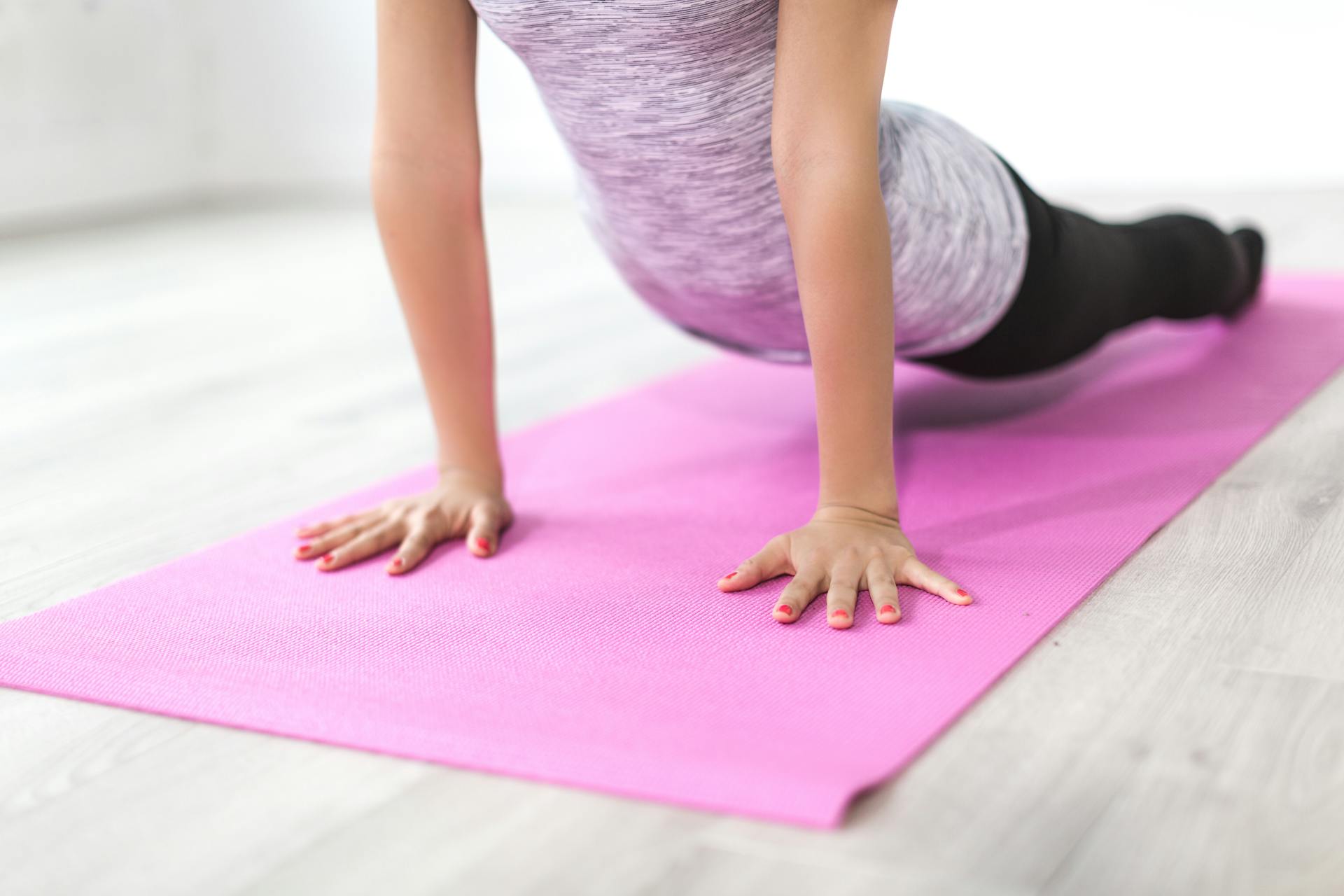
Fitness training has evolved over time. Traditional workouts often focused on building isolated muscle strength or improving appearance. While these goals still matter to many people, modern fitness programs increasingly emphasize movement that reflects daily life. Functional fitness is based on this concept. The approach trains the body to perform real-world tasks more efficiently. Movements such as lifting, reaching, pushing, and bending are part of everyday activities. Functional training prepares the body to perform these actions safely and with better control. This method supports coordination, balance, and strength at the same time. Instead of isolating a single muscle group, functional exercises engage several muscles together.
Understanding Functional Movement
Functional movement refers to the natural patterns the body performs throughout the day. Examples include squatting to pick up an object, pushing a door open, or rotating the torso while reaching for something. These movements involve multiple joints and muscle groups working together. When the body moves efficiently, each muscle contributes to the task without unnecessary strain. In contrast, some traditional exercises isolate one muscle at a time. While isolation training can build strength, it may not fully prepare the body for complex movements. Functional fitness focuses on integrated movement.
Why Functional Fitness Matters
Daily life requires more than simple muscle strength. Activities such as carrying groceries, climbing stairs, or lifting a child involve coordination and joint stability. Functional training improves these abilities. The body learns to distribute effort across several muscles instead of overloading one area. This balance helps protect joints and connective tissues. When muscles support movement evenly, joints experience less stress. Functional fitness also promotes efficient energy use. Movements become smoother and require less effort when the body works as a coordinated unit. People often notice improvements in posture and stability as well. Strengthening core muscles and stabilizers helps maintain proper alignment during movement. These changes support overall physical performance both inside and outside the gym.
Build Strength Through Natural Patterns

Functional exercises often follow natural motion patterns. Squatting, hinging at the hips, pushing, pulling, and rotating are common examples. These movements engage the muscles of the legs, core, and upper body together. As a result, the body develops strength that reflects real-life demands. For example, a squat strengthens the muscles used when sitting down or standing up. A pulling motion can simulate lifting or carrying objects. Training these patterns repeatedly helps the nervous system coordinate muscle activity more effectively. Over time, movement becomes more stable and controlled. This type of strength training also improves joint awareness. The body learns how to stabilize itself during complex motion. The goal is to ensure that muscles work together to support safe and efficient movement.
Injury Prevention and Joint Health
Functional fitness can help reduce the risk of injury. Many injuries occur when muscles fail to support a joint during movement. Weak stabilizing muscles may allow joints to move in unsafe directions. This instability increases stress on ligaments and tendons. Functional training strengthens both primary muscles and stabilizers. When these muscles activate together, joints remain supported throughout the movement. Improved mobility also plays an important role. Flexible muscles allow joints to move through their natural range without restriction. Balanced strength and mobility help the body adapt to physical challenges. Whether lifting an object or changing direction while walking, the body responds with greater control. Over time, this training approach supports long-term joint health and movement efficiency.
Functional Fitness in Everyday Life

One of the key advantages of functional training is its direct connection to daily life. The exercises are designed to reflect common movements performed at home, work, or during recreation. For example, lifting objects from the floor requires coordination between the legs, hips, and back. Functional training strengthens this pattern so the body can perform it safely. Carrying groceries or moving furniture requires core stability and grip strength. Functional exercises often train these abilities together. Even simple tasks such as reaching overhead benefit from shoulder mobility and upper body stability. By practicing these movements in a controlled setting, the body becomes more prepared for real-world situations. This preparation helps ensure that everyday actions place less stress on muscles and joints. Functional fitness, therefore, bridges the gap between exercise and daily movement.
Functional fitness focuses on preparing the body for the demands of daily life. By training natural movement patterns, individuals develop strength, coordination, and balance that extend beyond the gym. This approach supports efficient movement and helps protect joints from unnecessary stress. Exercises that involve multiple muscle groups encourage the body to work as an integrated system. Over time, functional training improves posture, stability, and physical confidence. Everyday activities become easier because the body has practiced similar movements during exercise. Building strength through real-life motion patterns provides practical benefits for long-term health. Functional fitness helps people move better, perform daily tasks safely, and maintain an active lifestyle.

 For you to enjoy the maximum benefits of hiring a personal trainer, you need to get a person who understands the process of training an individual. An excellent trainer needs to know how to take you from being regular training individual to a professional training person. And this should happen without straining your body or causing any bodily harm like strains. Training is like learning a new routine for your life, and you need to take it one step at a time so that you can be consistent and concentrate on other areas of your life.